
How Long to Ice Bath?
How long to spend in an ice bath depends on two things:
-
the temperature of the water, and
-
the prior state of cold training.
Beginners should go cold enough to gasp and long enough to shiver.
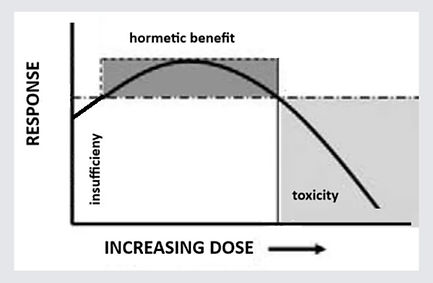
A good place to start is below 50F, for between 2 and 10 minutes. It takes about two weeks of daily cold plunge for your body to acclimate, and you can gradually reduce the temperature during that time. After two weeks, it's no longer necessary to feel the urge to shiver for you to get the benefits. Our article Guide to Optimal Ice Bath explains how to determine your individual cold comfort line and adjust your cold dose for different temperatures and times. For more information when beginning your cold plunge practice, review the article Getting Started in Cold Plunge Therapy.
The optimal duration depends on prior experience and individual goals. More experienced users typically decrease temperatures and increase exposure times, depending on whether they're seeking increased metabolic and/or psychological benefits. Lower temperatures emphasize building psychological resilience to the stress response, whereas longer durations emphasize metabolic and mitochondrial benefits. Cold training is like weight training. The more you do, the stronger (more cold tolerant) you become. Increasing cold training will reduce the urge to shiver, so after about two weeks of regular cold plunge therapy, you will no longer use shivering as a guide. At that point, the psychological benefits may be more important to you than the metabolic. Set Your Ice Bath to a Temperature that Frightens You provides further details on receiving the psychological benefits of plunging at colder temperatures for shorter durations.
Hypertension & Ice Baths explains that the most important contraindication to cold plunge therapy is chronic hypertension (high blood pressure). The long-term effects of cold plunge therapy on blood pressure and vascular health are excellent, but in the short-term the article Are You Getting Enough Vasoconstriction? describes how blood vessels to the limbs will shut down circulation to conserve core body temperature, resulting in a temporary increase in blood pressure that could lead to an dangerous, acute hypertensive event in someone with chronic, untreated hypertension.
The Dangers of Deliberate Cold (Ice Bath Safety) describes


additional risks and safety protocols, including drowning, hypothermia, risk of heart rate irregularities, and cold urticaria. before starting a program of regular cold plunge therapy, consider consulting with your physician about these concerns. Always exit the ice bath before shivering becomes extreme or whenever feeling faint. Do not perform hyperventilation in combination with ice baths, and do not practice breath holds. Most health benefits—including the recruitment of brown fat and improved muscle recovery—can be achieved with just a few minutes per session.
There are several precautionary protocols that mitigate the risks of whole body cold water immersion:
-
Avoid cold water immersion when contraindicated or advised your physician.
-
Ice bath sober. Never enter the water while intoxicated, inebriated, hyperventilated, feeling faint, or under the influence of drugs.
-
Supervise young children.
-
Enter the ice bath feet first.
-
Breathe continuously, in a steady, structured rhythm. Never combine hyperventilation with immersion in the water, and do not attempt breath holds in the ice bath.
-
Go cold enough to gasp, long enough to shiver. The benefits of the ice bath come in the first few minutes, while the risk of hypothermia increases later. Especially for beginning plungers, there’s no reason to immerse any longer than it takes to induce a shiver response.
-
Allow time to rewarm before operating tools, machinery, a vehicle, or any other equipment.
Research indicates that as little as 7–11 minutes of exposure to temperatures near 40°F per week are sufficient for metabolic health benefits, whether taken all at once or in multiple short sessions. As cold adaptation increases, lowering water temperature or adjusting exposure time may be necessary to maintain desired effects.
Morozko recommends starting cautiously and listening to bodily signals, aiming for enough time to elicit a shiver, with most effective exposures being around 2–4 minutes for beginners. Microdose the Ice Bath explains how the right time and temperature for your ice bath is dependent upon your goals and how to adjust your practice accordingly. Review the table below to find general recommendations for beginner and advanced plungers.
Experience Level | Typical Duration | Key Indicator to Exit | Recommended Temperature | Frequency |
|---|---|---|---|---|
Advanced | 2-4 Minutes | Psychological Goal Satisfaction | 34° F | 3-5x / Week |
Beginner | 2-10 Minutes | Onset of Shivering | 50° F | Daily |